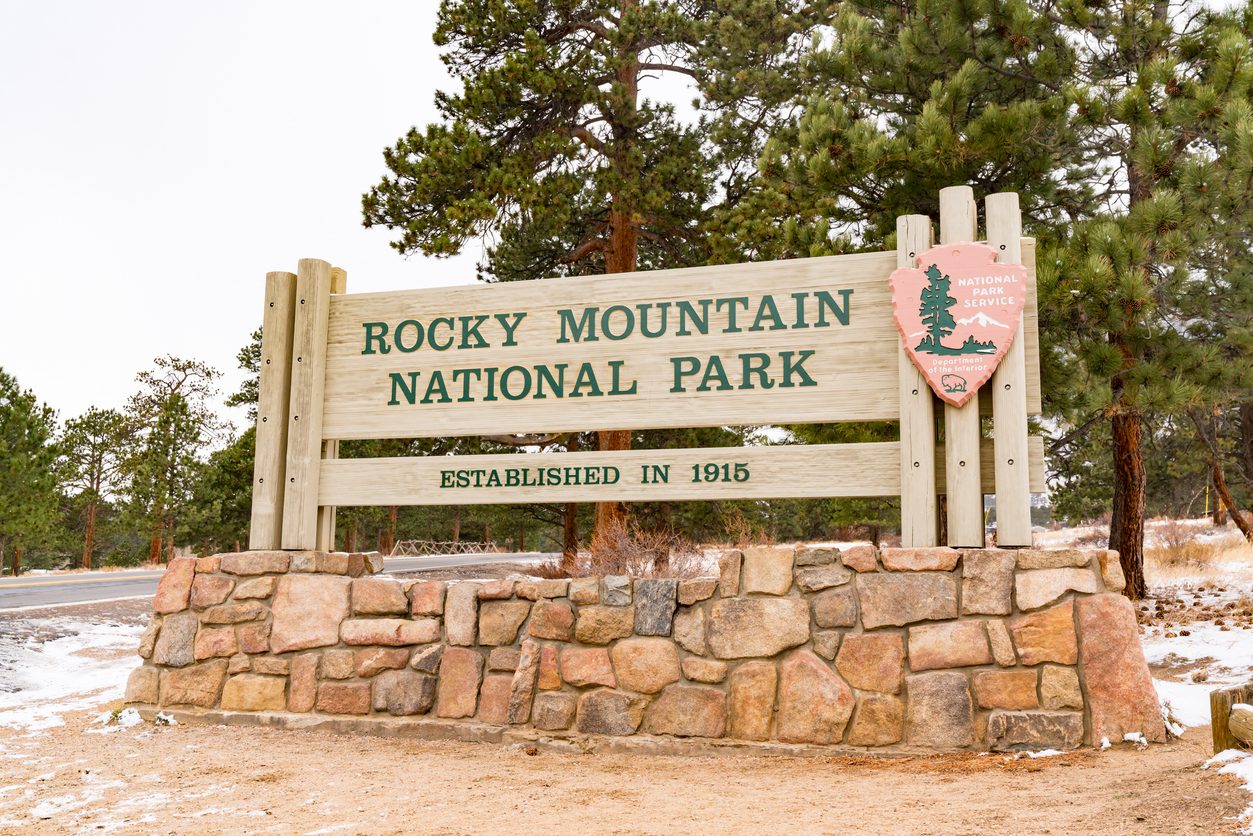
| Established | 1915 |
|---|---|
| Trail Ridge Road | Highest continuous paved road in the U.S. (~12,183 ft) |
| Highest point | Longs Peak, 14,259 ft (a 14er) |
| Entry | Park pass + summer timed-entry reservation (check current rules) |
| Gateways | Estes Park (east), Grand Lake (west) |
If you only visit one Colorado national park, this is the one — a compact, jaw-dropping cross-section of the Rockies, from ponderosa foothills to a 14,000-foot summit, reachable on a single road. It’s hugely popular, so a little planning (and a reservation) goes a long way.
Trail Ridge Road
The park’s signature drive climbs above treeline onto open alpine tundra, cresting past 12,000 feet with pull-offs, short tundra walks, and views for a hundred miles. It connects the Estes Park and Grand Lake sides and is generally open late May to mid-October, closing with the first big snows.
Hiking & Longs Peak
The park is a hiker’s dream: easy strolls to Bear Lake, moderate climbs to Emerald and Dream Lakes, and big days to Sky Pond and beyond. Towering over it all is Longs Peak, the park’s only 14er — a serious, exposed objective for experienced mountaineers with an alpine start. The Bear Lake corridor uses a summer shuttle; arrive early or ride it.
Wildlife & timed entry
Elk, bighorn sheep, moose, and marmots are all common — dawn and dusk are prime, and the fall elk rut is a highlight. To manage record crowds, the park has run a timed-entry reservation system in summer; reserve an entry window ahead of your park pass, and always check the current National Park Service rules before you go.
What to pack & know before you go
You’re in the high country, so respect the altitude and pack layers — our base layers and gear guides cover the essentials.
Nearby: Estes Park (base camp) · 14ers · Colorado hiking · all destinations
Rocky Mountain National Park FAQ
Do I need a reservation for Rocky Mountain National Park?
In recent summers the park has used a timed-entry reservation system during peak months to manage crowds — you reserve an entry window in advance in addition to your park pass. The exact dates and rules change year to year, so check the National Park Service site before you go.
What are the best hikes in Rocky Mountain National Park?
Classics include Bear Lake (easy), Emerald Lake and Dream Lake (moderate), Sky Pond (strenuous), and, for experienced mountaineers, Longs Peak. Many popular trailheads fill early, and a park shuttle serves the Bear Lake corridor in summer.
What is Trail Ridge Road?
Trail Ridge Road is the highest continuous paved road in the U.S., topping out above 12,000 feet as it crosses the park from Estes Park to Grand Lake. It’s a spectacular tundra drive — open roughly late May to mid-October, weather permitting.
Is there a 14er in Rocky Mountain National Park?
Yes — Longs Peak (14,259 ft) is the park’s only fourteener and one of Colorado’s most serious non-technical 14ers, a long, exposed day best left to fit, experienced, early-starting hikers.
Can I see wildlife in the park?
Very likely — elk, mule deer, bighorn sheep, moose (especially on the west side), marmots, and pikas are all common. Dawn and dusk are best; keep a safe distance and never feed wildlife.
Where should I stay to visit the park?
Estes Park is the main east-side base camp with the most lodging and services; Grand Lake is the quieter western gateway. Book well ahead in summer.