There is a reason people plan whole vacations around hiking in Colorado. Within a short drive of Summit County you can walk a flat lakeshore with the family in the morning and stand on a 14,000-foot summit the next day. But a three-mile trail here is not a three-mile trail at sea level: the thin air, the intense high-altitude sun, and the storms that build almost every summer afternoon mean a little preparation is the difference between the best day of your trip and a miserable one. Here is how we think about hiking around Summit County and the I-70 corridor.
Colorado hiking at a glance
| Trailhead elevation | Typically 9,000–11,000+ ft in Summit County — you start high and climb |
|---|---|
| Best season | Mid-June–September; high routes melt out by mid-July, aspen gold peaks late September |
| Difficulty range | Flat lake loops to Class 1–2 14er walk-ups |
| Biggest hazards | Altitude, afternoon lightning, fast-changing weather |
| Never leave without | Rain shell, sun protection, water + electrolytes, layers, a map — the day-hike essentials |
The kinds of hikes you'll find here
| Type | Local examples | Effort | Best for |
|---|---|---|---|
| Easy lake & valley | Dillon Reservoir rec path, Rainbow Lake (Frisco) | Low | Families, first day at altitude |
| Alpine lake & waterfall | Mohawk Lakes, McCullough Gulch (Breckenridge) | Moderate | The classic Colorado day hike |
| Summit / 14er | Quandary Peak | Hard | Peak-baggers, big-view days |
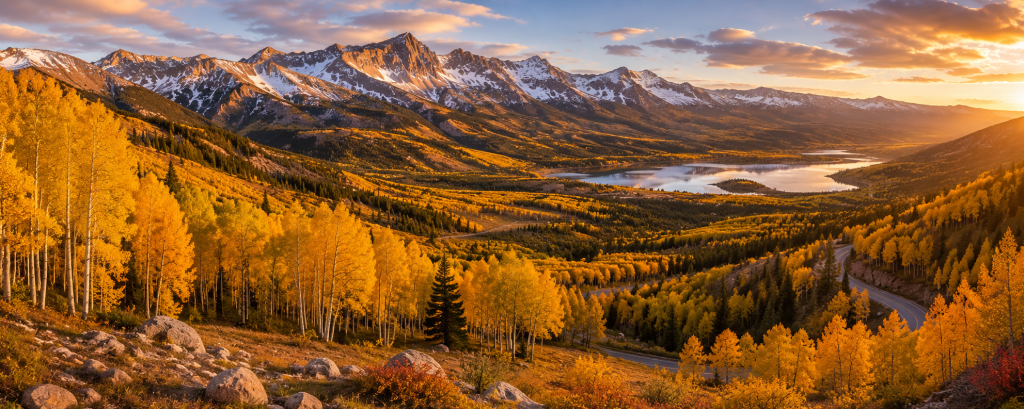
| Fall color | Boreas Pass Road (Breckenridge) | Low–moderate | Late-September aspen gold |
Best hikes around Summit County
A few local favorites to build a trip around (always check current conditions, and note that several popular Breckenridge trailheads use seasonal parking or shuttle systems in summer):
- Mohawk Lakes (Breckenridge) — the quintessential Summit County hike, climbing past waterfalls to a string of alpine lakes beneath the Tenmile crest.
- McCullough Gulch (Breckenridge) — a shorter, spectacular walk to a waterfall and alpine lake below Quandary Peak.
- Mount Royal (Frisco) — a short but steep climb to a rocky overlook straight above town and Dillon Reservoir.
- Rainbow Lake & the Dillon Reservoir rec path — easy, mostly flat, and perfect for your first day while you adjust to the altitude.
- Quandary Peak — the area's beginner-friendly 14er, a walk-up to 14,265 feet just up Highway 9 from Breckenridge.
The altitude reality
Most Summit County trailheads sit above 9,000 feet and climb from there — roughly two-thirds the oxygen of sea level, or less. You will be winded sooner, dehydrate faster, and burn in the sun harder than you expect, and altitude sickness does not care how fit you are. Give yourself a day to adjust, hydrate with electrolytes, pace slower than feels natural, and know the warning signs. Our Altitude & Sun Kit covers exactly what helps.
Weather: the afternoon-storm rule
Colorado builds thunderstorms almost every summer afternoon, and above treeline you are the tallest thing around. The habit that keeps you safe is simple: start early and plan to be off exposed, high terrain by early afternoon. On a peak that means an alpine start; even on a smaller hike it means not lingering to a 2 p.m. ridgeline. Pack a rain shell every single time — the weather here flips from bluebird to hail in fifteen minutes.
Trail etiquette & Leave No Trace
These trails stay beautiful because people take care of them. Pack out everything you bring in (including food scraps and dog waste), stay on the trail to protect fragile alpine tundra that takes decades to recover, yield uphill hikers the right of way, keep dogs leashed where required, and give wildlife plenty of room. The seven Leave No Trace principles are worth a two-minute read before any trip.
Wildlife you might see
Part of the magic: moose in the willows (give them a very wide berth — they're more dangerous than bears), marmots and pika in the rocks up high, mule deer and elk in the meadows, and the occasional black bear. Never feed anything, store food properly, and keep your distance — a telephoto photo beats a close call.
When to hike
Peak trail season runs roughly mid-June through September. High-country routes hold snow and mud well into June and melt out by mid-July; late summer brings the most reliable footing (and the most predictable afternoon storms); and late September is our favorite — aspen gold, crisp air, and thin crowds. In winter, many of these same trails become snowshoe routes — a quieter kind of magic.
What to pack
Every hike starts from the same foundation: our Day-Hike Essentials, the eight things we never leave the trailhead without. Going above treeline or up a peak? Add the alpine-start and altitude pieces in our 14er gear list. Staying overnight? See Camping & Backpacking. And whatever the forecast says, bring sun protection and a rain shell.
Hiking by Summit County town
- Hiking in Breckenridge
- Hiking in Frisco
- Hiking in Keystone
- Hiking in Copper Mountain
- Hiking in Dillon
- Hiking in Silverthorne
Trail gear: our picks for hiking poles and day packshiking boots, poles and day packs, plus the day-hike essentials.
Colorado hiking FAQ
How does the altitude affect hiking in Colorado?
Summit County trailheads sit above 9,000 feet, where there's roughly two-thirds the oxygen of sea level. Expect to tire sooner and to dehydrate and sunburn faster, and take altitude sickness seriously regardless of fitness. Hydrate with electrolytes, pace slowly, and acclimatize a day — see our Altitude & Sun Kit.
What should I bring on a Colorado day hike?
The eight items in our Day-Hike Essentials: water plus electrolytes, sun protection, a rain layer, a filter, a first-aid kit, and a headlamp, at minimum. The altitude, intense sun, and fast afternoon storms make those non-negotiable even on short, popular trails.
What are the best beginner hikes near Breckenridge?
Start with easy, mostly flat options like the Dillon Reservoir rec path or Rainbow Lake while you adjust to the altitude, then step up to alpine-lake classics like Mohawk Lakes and McCullough Gulch. More in our Breckenridge guide.
When is the best time to hike in Colorado?
Mid-June through September for most trails, with the high country melting out by mid-July and aspen gold peaking in late September. Early-season hikers should expect lingering snow and mud at elevation and check conditions first.
Why should I start hiking so early in the day?
Colorado builds thunderstorms nearly every summer afternoon, and lightning above treeline is deadly. Starting early lets you enjoy the summit or high point and be heading down before storms build — aim to be off exposed terrain by early afternoon.
Do I need a permit to hike in Summit County?
Most trails don't require a permit, but several popular Breckenridge trailheads (like Quandary Peak and McCullough Gulch) use seasonal paid parking or shuttle systems in summer. Always check the current rules for your specific trailhead before you go.
Is it safe to hike around wildlife like moose?
Give all wildlife a wide berth, especially moose — they're common in willow areas and more dangerous than bears when they feel crowded. Never feed animals, store food properly, keep dogs leashed, and use a zoom lens instead of getting close.
Can a beginner hike a Colorado 14er?
Yes — several Class 1–2 walk-up peaks near Summit County are beginner-friendly with the right prep and an early start. Quandary Peak outside Breckenridge is the classic first summit. See our Colorado 14ers guide and 14er gear list.