 Our top pickTETON Celsius mummy sleeping bagWarm, roomy, and well-priced — the value bag for cold Colorado nights.$84.99Price as of Oct 14, 2026Shop on Amazon →
The fastest way to a miserable night in the mountains is being cold, and the two things that fix it are a warm-enough bag and a pad between you and the frozen ground. Here’s what we’d pack for Colorado, plus how to choose.
Our sleep-system picks at a glance
Bag and pad, side by side:
Sleeping bags
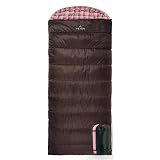
Teton Celsius 0°F — warm value
A warm, double-layered 0-degree bag with draft tubes and a compression sack, at a friendly price. Rated colder than most summer nights, so you’re covered for high-country cold and shoulder-season trips. Roomy and cozy rather than ultralight.
- Flannel
- Imported
- SLEEP COMFORTABLY: You'll forget you're camping with these comfortable sleeping bags! With a soft poly-flannel lining and plenty of room to spread out. The half-circle mummy-style hood keeps you warm and your pillow clean
- STAY WARM: Rain or shine, you'll be warm and rested in this sleeping bag. Innovative fiber fill; double-layer construction and draft tubes work together to keep the cold out and the warmth in. 5 Star comfort on all your outdoor adventures
- EASY TO PACK: TETON provides a durable compression sack for stuffing your sleeping bag into. Starting at the bottom, stuff the bag in, then tighten the heavy-duty straps for ultimate compressibility. Say no to rolling up your sleeping bag ever again

Kelty Cosmic 20°F synthetic — the 3-season step up
A quality, packable mummy bag from a trusted brand: 20-degree synthetic insulation that keeps working even if it gets damp, a compression stuff sack, and a comfortable footbox. The pick for backpackers and regular campers who want it to last.

- [face fabric] 380T nylon taffeta
- Imported
- 20 Degree Temp Rating, Regular Size: Fits sleepers up to 6ft, fill weight 30. 5oz, total weight 2lbs 13oz, stuff size (non-compressed) 16x9 inches. Color: Tapestry Blue/Smoke
- Packability: Integrated compression stuff sack, coupled with the premium packability of the synthetic fill allow the Cosmic synthetic to reach minimalist standards of backpacking gear. Trail weight varies by temp rating, from 2lbs 6oz to 4lbs 11oz.
- Insulation: Cirroloft synthetic insulation provides reliable warmth in cold and damp conditions, maintains loft for even coverage with no cold spots. Temperature ratings from 0 degrees to 40 degrees, to ensure your time on the trail is comfortable.
Don’t forget a sleeping pad
A pad isn’t optional in the mountains — it’s half your warmth. Even a basic insulated pad transforms a cold night.
Sleepingo ultralight sleeping pad
Don’t skip this: a pad insulates you from the cold ground, which steals more heat than the air does. This one is light, packs small, and inflates fast — a cheap, essential upgrade to any sleep system.

- Ultralight & Compact – Weighs only a fraction of traditional sleeping pads and rolls up small for easy packing, making it perfect for camping, backpacking, and hiking adventures.
- Durable Ripstop Nylon – Crafted from tear-resistant ripstop nylon, this sleeping pad is built to withstand rugged outdoor use while keeping you comfortable all night long.
- Comfortable Sleep Surface – Measuring 73.5" x 21.5", the inflatable mat provides ample space and cushioning support, ensuring a restful sleep wherever your journey takes you.
- Quick & Easy Inflation – Designed for fast and hassle-free inflation and deflation, so you can set up camp and pack away quickly without wasting precious adventure time.
- Versatile Outdoor Use – Ideal for camping, backpacking, festivals, and overnight trips, this mat delivers reliable comfort and insulation in all your outdoor activities.
How to choose a sleeping bag & pad
- Temperature rating. Buy a bag rated colder than the coldest night you expect — ratings are survival, not comfort. A 20°F bag covers most Colorado 3-season camping; go 0°F for high-elevation or shoulder-season trips.
- Down vs. synthetic. Down is lighter and packs smaller for the warmth; synthetic is cheaper and keeps insulating when damp — a real plus in afternoon-storm country.
- Mummy vs. rectangular. Mummy bags are warmer and lighter (less air to heat); rectangular bags are roomier and better for car camping where weight doesn’t matter.
- Pad R-value. The pad’s R-value is its insulation from the ground — higher is warmer. Aim for R-2 or more for summer, R-4+ for cold nights. Pair it with the bag; a warm bag on a cold pad still sleeps cold.
FAQ
What temperature sleeping bag do I need for camping in Colorado?
Buy colder than you expect. A 20°F bag covers most 3-season Colorado camping, since high-country nights get chilly even in summer. For high elevations, early or late season, or if you sleep cold, go with a 0°F bag. Temperature ratings are survival ratings, not comfort ratings, so build in a margin.
Down or synthetic sleeping bag?
Down is lighter and packs smaller for the same warmth, which backpackers love; synthetic is cheaper and keeps insulating when it gets damp — a genuine advantage in Colorado’s afternoon-storm climate. Choose down for weight, synthetic for value and wet-weather reliability.
Do I really need a sleeping pad?
Yes — a pad is half your warmth. The cold ground pulls heat out of you faster than the air, and no bag can fully make up for it. Even a basic insulated pad dramatically improves a mountain night.
What sleeping pad R-value do I need for Colorado?
R-value measures a pad’s insulation from the ground — higher is warmer. Aim for about R-2 or more for summer camping and R-4+ for cold or shoulder-season nights. Match the pad to the bag; a warm bag on a thin pad still sleeps cold.
Mummy or rectangular sleeping bag?
Mummy bags are warmer and lighter because there’s less air to heat, which suits backpacking and cold nights. Rectangular bags are roomier and more comfortable for car camping where weight and pack size don’t matter.
How cold does it get camping in the Colorado mountains?
Even in July, high-country nights commonly drop into the 30s and 40s, and above treeline or in shoulder season they can dip below freezing. That’s why a colder-rated bag and a good pad matter — and why our base layers pull double duty as sleep layers.

Written by
Melissa
Melissa splits her year between Texas and Summit County, Colorado, where she has spent countless summers and winters hiking, skiing, fishing, and exploring the high country. She started Breckenmendations to help visitors make the most of Colorado's mountains with the gear, tips, and local know-how she wishes she'd had on her first trip up I-70.
Breckenmendations is written by locals who actually hike, ski, and explore Colorado — see how we pick what we recommend.