
Standing on a 14,000-foot summit is one of the great Colorado experiences, and it's more accessible than most people think. The state's 14ers range from technical mountaineering objectives to straightforward trail walk-ups, and the walk-ups are where every beginner should start. The best part for anyone based in Summit County: some of the friendliest introductory peaks in the state are a short drive up the interstate. Here's how to pick your first summit and do it safely.
Colorado 14ers at a glance
| How many | 58 peaks above 14,000 ft — more than any other state |
|---|---|
| Difficulty scale | Class 1 (trail walk-up) to Class 5 (technical climbing); beginners want Class 1–2 |
| Prime season | Mid-July–September, once snow melts off the standard routes |
| The golden rule | Summit by 11 a.m., descend before afternoon storms — so start at 4–6 a.m. |
| Biggest hazards | Lightning, altitude sickness, loose rock, fast weather |
What counts as a 14er — and how hard are they?
A "14er" is any summit over 14,000 feet, and they're rated by difficulty class:
- Class 1–2 — walk-ups and easy scrambles on a trail or talus. This is where every beginner starts, and where the popular I-70 peaks fall.
- Class 3–4 — real scrambling with exposure, hands required, serious consequences for a fall.
- Class 5 — technical climbing with ropes. Not hiking.
Do a few Class 1–2 peaks before you even think about Class 3.
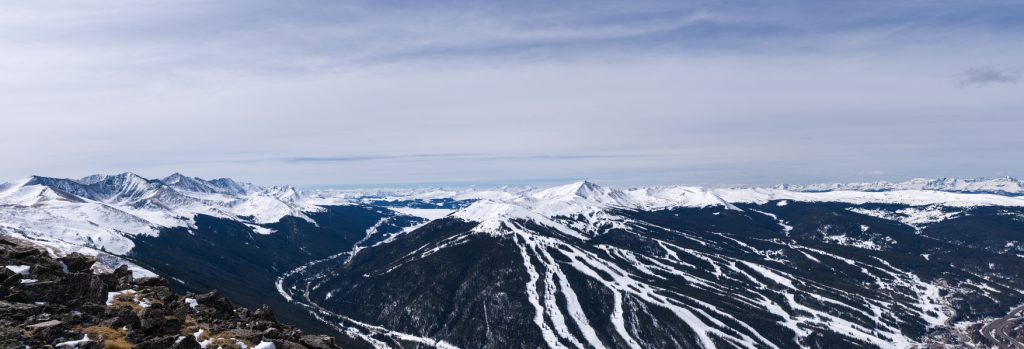
Best beginner 14ers near I-70 & Summit County
These Class 1–2 walk-ups are the classic first summits from a Summit County base (always check current conditions, closures, and parking/shuttle rules before you go):
| Peak | Elevation | Class | Round trip | Trailhead |
|---|---|---|---|---|
| Quandary Peak | 14,265 ft | 1 | ~6.75 mi | Breckenridge (Hwy 9) — seasonal shuttle |
| Grays & Torreys | 14,278 / 14,275 ft | 1–2 | ~8 mi (both) | Bakerville, off I-70 |
| Mt. Bierstadt | 14,065 ft | 2 | ~7 mi | Guanella Pass, Georgetown |
Quandary Peak, right outside Breckenridge, is the quintessential first 14er — a straightforward ridge walk-up close to home. Grays & Torreys let you bag two summits in one outing straight off the interstate. Mt. Bierstadt is a forgiving, hugely popular introduction from Guanella Pass. More on Quandary in our Breckenridge guide.
The three rules that keep you safe
- Start in the dark. Be on the summit by 11 a.m. and heading down before noon, before Colorado's daily afternoon thunderstorms build. That means a 4–6 a.m. trailhead start and a real headlamp.
- Respect the altitude. At 14,000 feet you're breathing roughly half the oxygen of sea level. Sleep high a night or two first, hydrate with electrolytes, and pace slower than feels natural — see our Altitude & Sun Kit.
- Set a turn-around time and keep it. The summit is optional; getting down is mandatory. If the weather turns or the clock runs out, the mountain will be there next weekend.
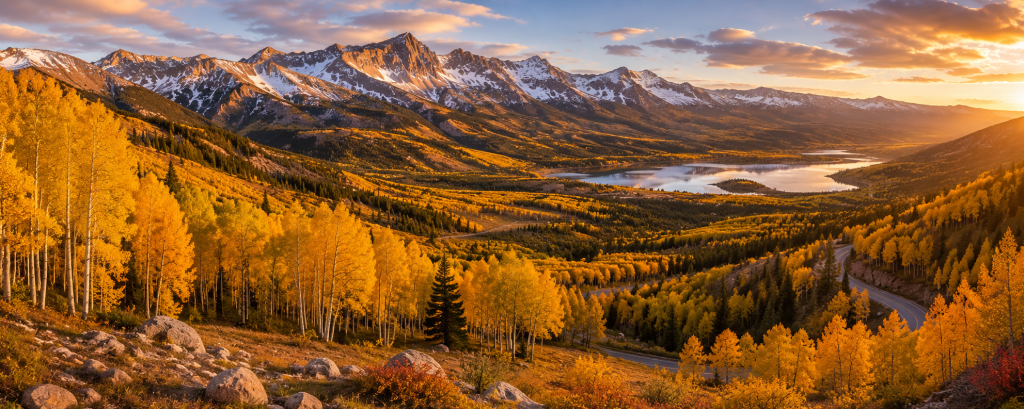
Altitude & acclimatization
Altitude sickness is the most common reason people fail on a 14er, and it has nothing to do with fitness. Spend a night or two at Summit County elevation before your climb, drink far more water than usual with electrolytes, eat well, and ascend at a conversational pace. Descend immediately if symptoms worsen — the only reliable cure is going down. Pocket oxygen can take the edge off; details in our 14er gear list.
Gear that matters more on a 14er
A 14er is a day hike with the difficulty turned up. Start with the day-hike essentials, then add the pieces that earn their weight above treeline: a bright headlamp for the alpine start, trekking poles for the steep, loose descent, real sun and wind protection for the exposed summit, and ideally an ABC watch whose barometer warns of incoming storms. Full breakdown in our Colorado 14er gear list.
Be a good steward
Colorado's popular 14ers see enormous traffic, and the fragile alpine tundra up high takes decades to recover from a single bootprint off-trail. Stay on the established route (even through switchbacks), pack out everything, go before dawn to spread out the crowds, and consider supporting the Colorado Fourteeners Initiative that builds and maintains these trails.
When to climb
Prime 14er season is roughly mid-July through September, after the snow melts off the standard routes and before winter returns. Early summer often still holds steep snowfields near the top that demand traction and skills; late summer offers the most reliable footing but the most predictable afternoon storms. Outside that window you're into winter mountaineering — a different, far more serious sport.
Colorado 14ers FAQ
Which 14er should I climb first?
A Class 1–2 walk-up close to home. From Summit County, Quandary Peak outside Breckenridge is the classic first summit; from the I-70 corridor, Grays & Torreys or Mt. Bierstadt are forgiving introductions. Save Class 3–4 scrambles for later.
How many 14ers does Colorado have?
Colorado has 58 peaks above 14,000 feet — more than any other state — ranging from trail walk-ups to technical climbs.
How early do I need to start a 14er?
Plan to summit by 11 a.m. and be descending before noon, ahead of afternoon thunderstorms. That usually means a 4–6 a.m. trailhead start, which is why a bright headlamp is on our 14er gear list.
How do I avoid altitude sickness on a 14er?
Acclimatize by sleeping at elevation a night or two first, hydrate heavily with electrolytes, pace slowly, and turn around if symptoms worsen — the only reliable cure is descending. Our Altitude & Sun Kit covers what helps.
What gear do I need for a Colorado 14er?
Everything on our day-hike list plus 14er-specific additions: a headlamp for the alpine start, trekking poles for the descent, sun and wind protection, and ideally an ABC watch. Full list in our 14er gear guide.
How long does it take to climb a beginner 14er?
Most Class 1–2 peaks near I-70 are roughly 7–9 miles round trip and take a fit but unrushed hiker about 5–9 hours car-to-car, depending on the peak, the altitude, and your pace. Start early and don't rush the descent.
Is it safe to climb a 14er as a beginner?
Yes, on a Class 1–2 walk-up with proper preparation: an early start, the right gear, acclimatization, a weather plan, and the discipline to turn around. Skip technical (Class 3+) peaks until you have experience.
When is 14er season in Colorado?
Roughly mid-July through September for the standard hiking routes. Earlier and you'll hit snow requiring traction and skills; later and winter conditions return. Always check current conditions and the forecast.