Colorado’s high country is one of the most beautiful places you can visit — and for a lot of first-timers, the biggest surprise isn’t the scenery, it’s how their body reacts to the thin air. At Breckenridge‘s 9,600 feet there’s roughly 30% less oxygen in every breath than at sea level. Your body adjusts, but it takes time, and pushing too hard too fast is how a dream trip turns into a headache-in-a-dark-hotel-room trip. Here’s how to prevent that, what to watch for, and when a symptom stops being “just the altitude.”
How high is Colorado’s high country?
Context helps. If you’re flying in from sea level, here’s the jump you’re asking your body to make in a single afternoon:
| Place | Elevation |
|---|---|
| Denver (“Mile High City”) | 5,280 ft |
| Silverthorne | ~8,730 ft |
| Frisco | ~9,097 ft |
| Dillon | ~9,111 ft |
| Keystone (base) | ~9,280 ft |
| Breckenridge | ~9,600 ft |
| Copper Mountain | ~9,712 ft |
| Leadville (highest U.S. city) | 10,152 ft |
| Loveland Pass | 11,990 ft |
| Colorado 14ers (summits) | 14,000+ ft |
Altitude sickness can begin as low as about 8,000 feet — which means essentially every town in Summit County is high enough to trigger it. The good news: most people acclimate within a couple of days.
What altitude sickness feels like
The mild, common form is called Acute Mountain Sickness (AMS). It usually shows up 6 to 24 hours after you arrive and feels a lot like a hangover:
- Headache (the hallmark symptom)
- Nausea or loss of appetite
- Fatigue and weakness
- Dizziness or lightheadedness
- Trouble sleeping
- Shortness of breath when you exert yourself
Mild AMS is unpleasant but not dangerous on its own. The key rule: if you have AMS, don’t go any higher until it clears. Most people feel better within a day or two as they adjust.
The three levels — and when it’s an emergency
Altitude illness runs on a spectrum. Knowing where the line is can save a life.
| Type | What it looks like | What to do |
|---|---|---|
| AMS (mild) | Headache, nausea, fatigue, poor sleep | Stop ascending, rest, hydrate, OTC pain reliever. Usually clears in 1–2 days. |
| HAPE (fluid in the lungs) | Breathlessness at rest, persistent cough (may be frothy), chest tightness, blue lips | Emergency. Descend immediately and get medical care / oxygen. Call 911. |
| HACE (brain swelling) | Confusion, clumsiness or stumbling, severe headache, drowsiness | Emergency. Descend immediately and get emergency care. Call 911. |
HAPE and HACE are rare, but they’re genuine medical emergencies and can progress quickly. The single most reliable treatment for any altitude illness is the same: go down. Even a few thousand feet of descent makes a dramatic difference.
How to prevent it
You can stack the odds heavily in your favor with a few simple habits:
- Ascend gradually if you can. Spending a night in Denver (5,280 ft) before heading up to 9,600 gives your body a head start. “Climb high, sleep low” is the mountaineer’s rule for a reason.
- Take the first day easy. Don’t fly in and immediately ski bell-to-bell or bag a peak. Let day one be a gentle one.
- Hydrate hard. The air up here is bone-dry and you lose water fast just breathing. Drink far more than feels necessary.
- Skip the alcohol on night one (and go easy on caffeine). Alcohol hits harder at altitude and worsens dehydration and sleep.
- Eat well — favor carbs. Your appetite may drop; eat anyway.
- Protect your skin and eyes. UV is far more intense in thin mountain air. Our altitude & sun kit covers the sunscreen and lip balm you’ll actually want.
- Ask your doctor about medication. If you’re prone to altitude sickness, a physician may prescribe acetazolamide (Diamox) to help you acclimate.
What to pack for the altitude
None of this replaces the free stuff — hydration, rest, and a gradual ascent — but a few inexpensive items make the first day or two easier. Here are the three we’d actually pack, at a glance:
Boost Oxygen — large canister
Canned recreational oxygen won’t “cure” altitude sickness, but for a mild headache or a restless first night, a few breaths can take the edge off — and plenty of Summit County visitors swear by it. The large canister lives on the nightstand for the whole trip. Think comfort aid, not treatment: if symptoms are severe, the answer is to descend and seek care.
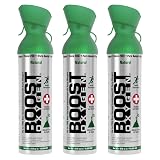
- FILLED WITH 99.5% OXYGEN: All-natural, prescription-free respiratory support that can be used by anyone, anytime, anywhere for non-medical purposes.. Breathe Better!
- NATURAL: Our most popular product, Boost Oxygen NATURAL is pure breathing oxygen, no aroma added. NATURAL is for those looking for the benefits of supplemental oxygen without aromatherapy
- CONVENIENT, LIGHTWEIGHT, AND RECYCLABLE: this 3-pack of Boost Oxygen comes with portable oxygen canisters for on-the-go lifestyles that are completely recyclable. Each canister contains 10 liters
- HEALTHY ENERGY FOR YOUR BODY: Every cell in the human body requires oxygen to function properly. Boost Oxygen provides supplemental oxygen to support healthy brain and cellular function
- MADE IN THE USA: Boost Oxygen, the most trusted brand and worldwide leader in supplemental oxygen canisters since 2007, directly manufactures every canister at our headquarters in Connecticut. As Seen On Shark Tank
Boost Oxygen — pocket size
The 3-liter version fits in a jacket pocket, a purse, or a day pack — handy on the chairlift, on the trail, or crossing a high pass. Same idea, portable.

- FILLED WITH 99.5% OXYGEN: All-natural, prescription-free respiratory support that can be used by anyone, anytime, anywhere for non-medical purposes. Breathe Better!
- NATURAL: Our most popular product, Boost Oxygen NATURAL is pure breathing oxygen, no aroma added. NATURAL is for those looking for the benefits of supplemental oxygen without aromatherapy.
- CONVENIENT, LIGHTWEIGHT, AND RECYCLABLE: this 3-pack of Boost Oxygen comes with portable oxygen canisters for on-the-go lifestyles that are completely recyclable. Each canister contains 3 liters.
- HEALTHY ENERGY FOR YOUR BODY: Every cell in the human body requires oxygen to function properly. Boost Oxygen provides supplemental oxygen to support healthy brain and cellular function.
- MADE IN THE USA: Boost Oxygen, the most trusted brand and worldwide leader in supplemental oxygen canisters since 2007, directly manufactures every canister at our headquarters in Connecticut. As Seen On Shark Tank.
First-aid kit
Keep a basic kit in the room or the car. Between altitude, bone-dry skin, blisters, and the odd trail scrape, you’ll use it — and it’s the one thing you never want to go hunting for at 9 p.m.

- Comprehensive Home and Car Emergency Kit: Includes adhesive fabric and plastic bandages, antibiotic ointments, BZK antiseptic towelettes, burn cream packets, gauze roll and pads, wound closures, cold pack, and other first aid items; HSA/FSA eligible
- Easy Access: An ideal workplace and home first aid kit, this complete basic first aid kit comes in a soft-sided zippered case, featuring 2 separate layers with individual compartments and clear plastic pockets, so first aid supplies are easy to locate
- HSA Eligible and FSA Eligible First Aid Kit: Stay prepared and prioritize your safety with this convenient FSA and HSA eligible first aid kit, ready with the emergency supplies you need to handle cuts, scrapes, and burns
- Fits In A Glove Box or Backpack: Small enough to fit nicely into a backpack, vehicle compartment, or desk drawer, this travel-size first aid kit for car helps you keep peace of mind in easy reach when at home, college, the office, or while on the go
- Be Prepared Everywhere: Whether you need a camping first aid kit, backpacking first aid kit, first aid travel kit, college first aid kit for dorm, or first aid kits for vehicles, our first aid kits have the supplies you need for minor emergencies anywhere

For the full high-altitude packing rundown, see our Colorado ski-trip packing list and 14er gear list.
When to see a doctor
Get medical help right away — and descend — if you or someone in your group has trouble breathing at rest, a cough that won’t quit, confusion, trouble walking a straight line, or symptoms that keep getting worse instead of better. When in doubt, go down and get checked. Summit County’s hospital is St. Anthony Summit in Frisco.
This article is general information, not medical advice. If you have heart or lung conditions, are pregnant, or are traveling with young children or older adults, talk with your doctor before a high-altitude trip.
Altitude sickness FAQ
How long does it take to adjust to Colorado's altitude?
Most people acclimate within one to three days. You'll usually feel it most on the first night and second day, then steadily better. Drink plenty of water, take it easy at first, and don't sleep any higher than you need to. See our Breckenridge guide for an easy first-day plan.
Can you prevent altitude sickness?
You can't guarantee it away, but you can dramatically cut the risk: ascend gradually, hydrate, skip alcohol the first night, take the first day easy, and consider supplemental oxygen. If you're prone to it, ask your doctor about acetazolamide (Diamox). Our altitude & sun kit covers the basics to pack.
Does drinking water help with altitude sickness?
Yes — the thin, dry mountain air dehydrates you quickly, and dehydration makes altitude symptoms worse. Hydration is one of the simplest, most effective preventions, though it won't fix a serious case, which needs descent and medical care.
What is the fastest cure for altitude sickness?
Descending to a lower elevation is the definitive cure — even 1,000–3,000 feet can bring rapid relief. For mild symptoms, rest, fluids, and a little supplemental oxygen usually do the trick within a day or two.
Is Breckenridge too high for most visitors?
Breckenridge sits around 9,600 feet, and the large majority of visitors handle it fine with basic precautions. If you have heart or lung conditions, are pregnant, or have had severe altitude sickness before, check with your doctor first. See our Breckenridge guide.
Should I bring oxygen for a Colorado ski trip?
Canned oxygen can ease a mild altitude headache and help you sleep the first night or two, and it's easy to toss in a bag. Treat it as a comfort aid rather than a treatment — if symptoms are severe, the answer is to descend and seek care. It's on our ski packing list.
Related: Altitude & sun kit · Colorado 14ers · Colorado skiing guide · Breckenridge guide · Ski packing list

Written by
Melissa
Melissa splits her year between Texas and Summit County, Colorado, where she has spent countless summers and winters hiking, skiing, fishing, and exploring the high country. She started Breckenmendations to help visitors make the most of Colorado's mountains with the gear, tips, and local know-how she wishes she'd had on her first trip up I-70.
Breckenmendations is written by locals who actually hike, ski, and explore Colorado — see how we pick what we recommend.